Fraudly Intelligence · Threats
Malware website indicators
Some websites distribute malware or redirect to harmful downloads. Fraudly tracks published malware feed hits with strong evidence so you can investigate before visiting unfamiliar domains.
Recent malware alerts
No published malware alerts match our evidence threshold right now.
Related guides
 Scam Intelligence
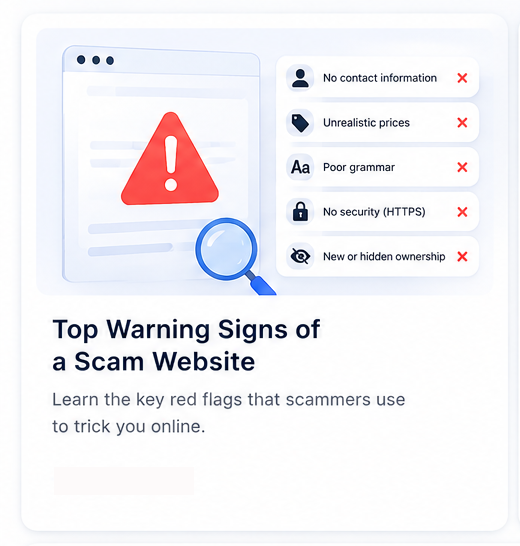
Top Warning Signs of a Scam Website
Use this checklist of scam website red flags before you pay or log in—from domain age and discount traps to suspicious checkout flows and redirect scams.
4 min
 Fraud Prevention
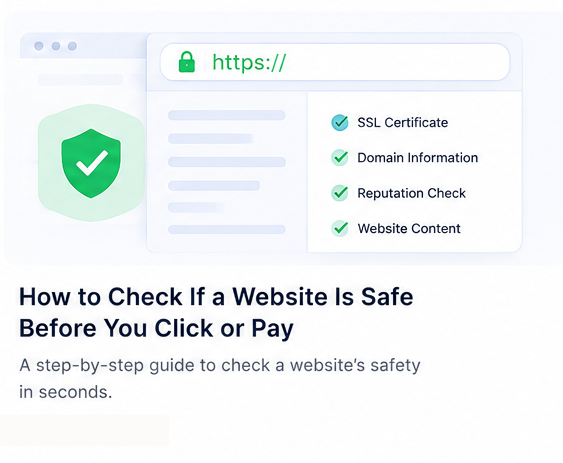
How to Check If a Website Is Safe Before You Click or Pay
HTTPS alone does not mean a site is trustworthy. This guide explains practical checks—technical, reputational, and behavioral—so you can decide whether to trust a link.
4 min
Regional scam intelligence
- Germany
Fake police calls, Schockanrufe, and bank phishing remain common threats for German households.
Covers
- Fake police officers (falsche Polizeibeamte)
- Shock calls (Schockanrufe)
- Bank phishing
- Fake shops
- Parcel delivery phishing
- United States
IRS impersonation, tech support fraud, gift card payments, and marketplace scams affect US consumers daily.
Covers
- IRS scams
- Tech support scams
- Gift card scams
- Romance scams
- Fake delivery or marketplace scams
Feed matches are one signal among several. A clean result does not guarantee safety—use caution with unknown downloads.
Related Fraudly resources
- Stay Safe OnlineClear answers on website trust, phishing, fake shops, and safer payments—tied to Fraudly’s checkers.
- Check a websitePaste a URL for a free trust check on websites and online stores—scam signals with plain-language context.
- What to do after a scamPractical steps and official reporting links if you think you were scammed online.
- Spot a fake online storeLearn warning signs of copycat shops—discount hype, thin policies, and trust red flags.